


The Essential Guide to the Azores: An Oasis in the Atlantic
Updated: Jul 27, 2025

We’ll admit it: flight search results first gave us the idea to go to the Azores! We were planning a trip to Portugal, and E spotted a great flight deal on Azores Airlines. En route to Lisbon, the flight had a stop in Sao Miguel, the largest island in the Azores. We were intrigued! After doing some research, we decided to book the two trip legs separately, giving us a glorious 4-day stopover in Sao Miguel. Check out our itinerary here!
As we were planning our trip, we found scattered information about the Azores, but no one site that gave us a full guide to the Azores. So we put this together to answer all your questions (which were once our own questions)! Drop us a line if there's anything we should add.
The Azores are a perfect WS&T destination: less about luxury travel or high-energy nightlife, and much more about soaking in nature and culture. It's so beautiful! And there are just enough activities to keep you happy for however long you choose to spend there, without feeling overwhelming.
Your Essential Guide to the Azores Index
Jump To:
So, What Are the Azores?

The Azores are an oasis in the middle of the North Atlantic. Located about 1000 miles west of Lisbon, they’re even more remote than Hawaii, the Galapagos Islands, and Iceland. Looking out from any of the many jaw-dropping viewpoints, you truly feel like you’re in the middle of the ocean.
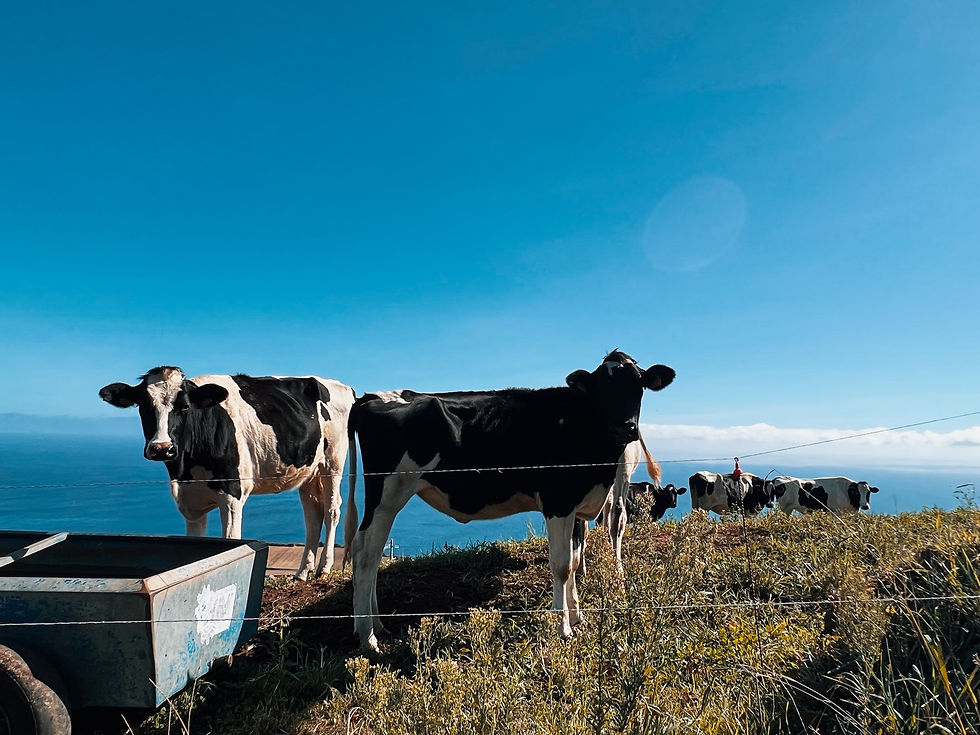
The archipelago is made up of nine volcanic islands, which sprung from the lava eruptions beneath the ocean floor. Lush with greenery, dramatic cliffs, crater lakes, and hot springs, the islands are gorgeous and tranquil. There are tons of opportunities for outdoor activities ranging from very adventuresome to quietly contemplative, as well as whales to watch, hot springs to soak in, and tea to sip – Europe’s only tea plantations are located here. The islands have invested heavily in sustainable eco-tourism and conservation of their many natural resources. Also, there are so many nice cows everywhere! In fact, cows outnumber people on several of the islands. Moo, amirite?

The Azores were uninhabited when they were discovered by Portuguese navigators around 1427, and they were quickly claimed by Portugal and settled by Prince Henry the Navigator. Colonists from mainland Portugal and Flanders brought agriculture, livestock, and a deep-rooted seafaring culture. Because of their location, the Azores became a vital stop for ships during the golden age of exploration and transatlantic trade. Over the centuries, they hosted everything from pirates to exiled nobles—and even rumors of lost civilizations (some believed the islands were the remnants of Atlantis). Today, the Azores are an autonomous region of Portugal, but with a distinct identity shaped by lava, legends, and life at sea.
As we explored the Azores, we were surprised to see how new all the buildings and infrastructure looked. While the latest development has preserved the unique style of the islands’ architecture – including the distinctive dark volcanic rock used as the primary building material – it sometimes looked like entire towns sprang up yesterday.
We learned that in recent years, the European Union has invested heavily in the Azores to support sustainable development, economic resilience, and green energy. A major focus has also been the energy transition—over €130 million is earmarked for renewable energy projects like wind and solar across the islands.
What Are the Different Islands in the Azores?
The nine islands that make up the Azores archipelago are São Miguel, Terceira, Faial, Pico, São Jorge, Graciosa, Santa Maria, Flores, and Corvo—each with its own distinct personality.

São Miguel is the largest and most visited island. You’ll see why it’s called “The Green Island” as soon as you arrive. Misty hills roll into crater lakes like Sete Cidades and Lagoa do Fogo. The island is dotted with hydrangeas in summer, and there’s geothermal activity bubbling beneath the surface—in the town of Furnas, people actually cook stews (cozido) underground using the earth’s heat (more on this in our itinerary!).
Pico is dominated by its namesake volcano—Portugal’s highest peak—and is a dream for hikers and wine lovers alike. The local vineyards, all built on lava fields, are a UNESCO World Heritage Site.
Faial, right next door to Pico, is known as “The Blue Island” because its abundance of hydrangeas. The port town of Horta is full of maritime history and brightly painted murals left behind by passing ship crews.

Terceira has more visible history—its main city, Angra do Heroísmo, is a UNESCO site with cobblestone streets and colorful buildings. Traditional bull-running festivals still happen here (though they’re different from the ones in mainland Spain), and locals are very proud of their culture.
Then there are the two very remote islands: Flores, which is possibly the most jaw-droppingly beautiful of the bunch. Waterfalls, cliffs, and flower-covered valleys—like a fairytale fell into the ocean. Corvo, the smallest island, has just a few hundred residents and one main village. Visit here if you want to leave the modern world behind.
When To Visit the Azores

As we often say at WS&T, there’s no bad time to travel. And we know that sometimes, kids’ schedules mean you can only travel during certain weeks of the year. Each season in the Azores offers something unique, and as long as you’re prepared for the variable weather, you’ll have a great time no matter what.
June–September: High Season
This is peak time in the Azores, with warm temperatures, clear skies, and calm seas—ideal for hiking, whale watching, and swimming in natural pools. Hydrangeas are in full bloom, and the islands are at their most photogenic. That said, it’s also the busiest and priciest season, so book ahead and expect more company on the trails.
April–May & October: Shoulder Season
The in-between months are a sweet spot for many travelers. The weather is mild and mostly dry, but the crowds haven’t yet arrived—or have just left. April and May are particularly green, with spring in full swing. October can be slightly rainier, but the sea is still warm from summer, and it’s harvest time in the vineyards.
November–March: Off Season
This is the quietest time of year, with cooler temps and more frequent rain, especially on the western islands. But don’t rule it out—there’s a moody beauty to the Azores in winter. Hot springs are even more inviting, prices are lower, and you’ll have the trails and towns mostly to yourself. Just pack layers and expect the weather to shift often!
WS&T Travel Tip: No matter the time of year, we recommend bringing a light rain jacket (for both wind and rain); the weather changes on a dime!
When is the Best Time to See Whales in the Azores?

The Azores are one of the best places in the world for whale watching, with nearly 30 species passing the islands. April to June is the standout season, when migratory giants like blue whales, fin whales, and sei whales glide by. Summer months (July–September) bring calmer seas and excellent conditions for spotting sperm whales, dolphins, and pilot whales. Even in the off-season, you’ll still have a chance to see resident species, especially around Pico, Faial, and São Miguel. Just remember: nature runs on its own schedule and there are no guarantees!
E can tell you firsthand: she is extremely obsessed with whales yet has the worst luck on whale watches. There was that time in Iceland when she went on the best whale tour in the best location at ideal peak season and saw exactly zero whales. The boat crew said it was the first time all season that they hadn’t spotted any. The following week, a friend took the exact same tour and was practically invited to a whale wedding. Can the whales sense E’s whaley infatuation? Are they like, “girl, you’re too thirsty, we’re staying underwater?” Whale, whale, whale, I’ll keep trying…
Can You Travel to the Azores on a Budget?

Yes, you can travel to the Azores on a budget… to a point. Flights from mainland Europe can be surprisingly cheap, especially with low-cost carriers. Coming from the US, we were pleasantly surprised by the flight prices on Azores Airlines. Once you’re on the islands, your biggest expenses will be the rental car and your accommodations. Rental car prices were reasonable in September, but the accommodation prices tended to be higher than what we normally go for – which is why we went with slightly more affordable Airbnbs.
Keep in mind, though, that the Azores are definitely more affordable than more touristy island destinations. You'll find everything way cheaper than Hawaii or many places in the Caribbean.
If you’re on a tighter budget, you can use the public bus system in São Miguel and look for a hostel or guesthouse. Dining out can be reasonable, with plenty of casual spots serving fresh local food without tourist prices.
Many of the islands’ best experiences—like hiking to crater lakes, soaking in hot springs, or wandering coastal towns—are either free or cost just a few euros. But if you want to go on kayaking, snorkeling, surfing, or fishing trips, prepare to shell out more money.
The most expensive time to visit the Azores is June through September, which is peak season. Holidays can also spike prices—especially around Easter and Christmas—when both locals and travelers are on the move. If you’re looking to save, aim for the shoulder seasons (April–May or October).
Just keep in mind that while it’s doable on a budget, the hotel options are fairly limited and we definitely recommend planning to have a rental car.
What Language Do They Speak in the Azores?
In the Azores, the official and most widely spoken language is Portuguese. However, the Azorean accent can sound quite different than continental Portuguese. Each island has its own regional twist on pronunciation, rhythm, and even vocabulary, shaped by centuries of isolation and waves of settlers from different parts of Portugal and beyond.
Can I Get By with English in the Azores?

You can definitely get by with English in the Azores—especially if you’re visiting more popular islands like São Miguel, Pico, Faial, or Terceira, where tourism is more developed. Many people working in hotels, restaurants, tour companies, and rental agencies speak at least basic English, and signage in airports and major attractions often includes English translations.
Outside the main tourist spots—or on the more remote islands like Flores or Corvo—you might encounter older locals who speak little or no English. But Azoreans are famously warm and helpful; we didn’t have any trouble communicating during our travels.
That said, learning a few Portuguese phrases goes a long way!
What Are Some Basic Words and Phrases in Portuguese?
• Olá (oh-LAH) – Hello
• Bom dia (bohn JEE-ah) – Good morning
• Boa tarde (BOH-ah TAR-jee) – Good afternoon
• Boa noite (BOH-ah NOY-chee) – Good evening / Good night
• Tchau / Adeus (chow / ah-DEH-oosh) – Bye / Goodbye
• Por favor (pohr fah-VOHR) – Please
• Obrigado / Obrigada (oh-bree-GAH-doo / oh-bree-GAH-dah) – Thank you (masculine/feminine)
• De nada (jee NAH-dah) – You’re welcome
• Desculpe / Com licença (des-KOOL-pee / kohm lee-SEHN-sah) – Excuse me / Sorry
• Onde fica…? (OHN-jee FEE-kah…?) – Where is…?
• Quanto custa? (KWAHN-too KOOS-tah?) – How much does it cost?
• Eu não falo português (eh-oo nowm FAH-loh por-too-GEYZ) – I don’t speak Portuguese
• Fala inglês? (FAH-lah een-GLAYS?) – Do you speak English?
• Sim / Não (seem / nowm) – Yes / No
How do You Travel Between the Azores Islands?
FLYING:
Flying is by far the quickest and most reliable way to get between islands. SATA Air Açores, the regional airline, connects all nine islands with short flights—most lasting between 20 and 60 minutes. The busiest routes link the larger islands like São Miguel, Terceira, Faial, and Pico. Smaller islands like Corvo or Graciosa have fewer flights, so book ahead.
Note that São Miguel is far from the rest of the islands, so you’ll most likely need to fly in and out.
WS&T Travel Tip: If you’re arriving in the Azores from mainland Portugal or abroad via Azores Airlines, check if you qualify for a free connecting flight to another island through the MyConnect program.
FERRY:
Ferries are a scenic, generally budget-friendly way to travel, especially during the summer months (May–September)when the sea is calmer and schedules are more frequent. Atlânticoline runs ferry routes between several islands, with the best connections in the Central Group of Islands:
• Faial ↔ Pico ↔ São Jorge are just a short ride apart—sometimes as quick as 30 minutes.
• Ferries to/from Flores, Corvo, or Santa Maria are less frequent and can take much longer.
WS&T Travel Tip: Ferries are weather-dependent, and service can be limited or even canceled during the winter months. Always check the forecast and confirm schedules before you set sail.
PRIVATE TOUR:
On some islands—like between Pico and Faial—you’ll find smaller, private boats and local tours that double as transport. These are great for a quick hop or combining your travel with a whale watching or snorkeling trip, though obviously they’re a pricier option.
How do You Get Around the Azores Islands?

On São Miguel, we definitely recommend renting a (small) car! We go into detail in our 4 Days in São Miguel itinerary. Remember that in high season, you’ll want to reserve your car early.
Here’s an island-by-island breakdown of the car rental situation:
• São Miguel: Tons of car rental options, from major companies to small locals. Roads are well-maintained and easy to navigate.
• Terceira, Faial, Pico: Also well-served by rental companies. Roads are good, though Pico’s can be narrow and windy in parts.
• São Jorge, Graciosa, Flores, Santa Maria: Fewer options, but cars are available. Book ahead, especially in summer or if arriving by ferry (cars sell out fast). Roads can be twisty and scenic—drive slowly.
• Corvo: The exception. While you can technically rent a car here, it’s a tiny island (you can walk across it in a couple of hours). Most visitors explore on foot or by hiring a local driver.
WS&T Travel Tip: Manual transmission is standard, so request automatic if you need it. Also note that gas stations are sparse in rural areas—fill up before heading out.
What is There to Do in the Azores?

Ah, what isn’t there to do in the Azores? Okay, a couple of things. But this little archipelago punches above its weight when it comes to nature, adventure, and culture. We were really pleasantly surprised at how easy it was to fill up a 4-day itinerary on São Miguel without feeling overwhelmed.
Whether you’re a hiker, a foodie, a hot spring soaker, or just someone who loves a good ocean breeze, the Azores has something for you. Here are some of the best things to do across the islands:
Explore Volcanic Landscapes
• Hike around Sete Cidades and Lagoa do Fogo on São Miguel—two incredible crater lakes.
• Climb Mount Pico, Portugal’s highest peak (and a rite of passage for ambitious hikers).
• Walk through lava tubes like Gruta das Torres on Pico or Algar do Carvão on Terceira. Kiddos love this!
Whale Watching!
Yay whales! See above for more deets on these beauties of the deep (and E’s endless quest to see them).
Soak in Natural Hot Springs
• Relax in the warm waters of Poça da Dona Beija or the stunning Terra Nostra Garden on São Miguel.
• Swim in the ocean hot spring at Ponta da Ferraria, where geothermal water meets the sea. Poça da Dona Beija is kid-friendly, but just be aware the water can stain swimsuits orange!
Experience Rural Island Life (a Hit with Kids and Parents Alike)
• Visit a working farm or stop by a local cheese factory (try São Jorge’s famous cheese).
• See Azorean cows grazing freely—often with a dramatic ocean backdrop.
Get on the Water
• Kayak across crater lakes or snorkel in clear coves.
• Take a sailing trip or island-hop by ferry.
Eat, Drink, and Be Merry
• Try the island specialty: Cozido das Furnas, a strange stew cooked underground with volcanic heat.
• Taste pineapples grown in greenhouses, fresh seafood, and local treats.
Discover History and Culture
• Visit Angra do Heroísmo (Terceira), a UNESCO World Heritage city with colorful streets and old forts.
• Check out small museums, traditional festivals, and craft shops. Forts, cannons, and wide plazas give kids plenty of room to explore—and the festivals often include music and parades.
Slow Down
• Chill out with a book by the sea, nap after a scenic drive, or sip Azorean wine while the kids chase butterflies in a botanical garden.
What Should I Eat in the Azores?

The Azores are known for having a range of fresh seafood, hearty stews, and volcanic-cooked meals. Here’s a delicious overview of what to eat in the Azores:
Super Fresh Seafood
The Atlantic waters surrounding the Azores are teeming with life, so you can find all kinds of fish and some more unique items like:
• Lapas (Limpets): Grilled shellfish often served with garlic and butter. Briny bites!
• Cracas (Gooseneck Barnacles): Weird-looking but a local delicacy. Usually steamed and eaten with a squeeze of lemon.
Meat!
The islands are filled with well-cared-for cows, so the beef is fresh and delish.
• Alcatra (from Terceira): A beef stew slow-cooked with wine, allspice, and cloves in a clay pot.
• Cozido das Furnas: A famous volcanic stew from São Miguel, cooked underground in geothermal heat. It includes beef, pork, chicken, sausages, and root vegetables.
• Chouriço Assado: Spicy Azorean sausage, sometimes flambéed at the table in aguardente (a local spirit).
Breads & Pastries
You’ll find fresh breads and pastries that make Portuguese bakeries legendary.
• Bolo Lêvedo: Sweet, fluffy muffin-like bread from Furnas, kind of like a cross between an English muffin and brioche.
• Queijadas da Vila: Sweet, creamy pastries from Vila Franca do Campo, made with milk, eggs, and sugar.
• Pão com Chouriço: Warm bread stuffed with spicy sausage, baked fresh in wood ovens.
Can’t Go Wrong with Cheese
Azorean cheeses are famous across Portugal. Definitely pair with bread.
• Queijo São Jorge: A hard, spicy cow’s milk cheese from São Jorge Island.
• Fresh Cheese (Queijo Fresco): Soft, mild cheese often served with local pepper sauces.
Island Produce
• Pineapples: Grown in greenhouses on São Miguel — small, super sweet, and a local point of pride.
• Tea: The Azores have Europe’s only tea plantations (Gorreana and Chá Porto Formoso).
• Passion Fruit, Bananas, Yams, and more: Thanks to the volcanic soil, produce here is flavorful and abundant.
Drinks
• Azorean Wine: Particularly from Pico Island, where vines grow between black volcanic rocks. Look for the varietal Verdelho.
• Licor de Maracujá: Passionfruit liqueur.
• Local beer: Especial is a popular Azorean brand. Fairly basic but refreshing.
Hopefully this whetted your appetite to visit the Azores! Next up, check out our itinerary for the perfect 4 days on São Miguel.
If you have any other questions, feel free to drop us a line or leave a comment!
Wanna Make Your Azores Trip Even Better? Click below to check out some curated picks for making life easier when traveling with (and without) small children.
Visit GEAR UP For More Outstanding Travel Essentials

Copyright © WS&T. All rights reserved.


Comments